Types Of HVAC Systems: A Comprehensive Overview
Choosing the right HVAC system is one of the most important decisions homeowners can make. Your heating and cooling system affects indoor comfort, energy efficiency, air quality, and long-term operating performance. With several HVAC technologies available, it can be difficult to know which one fits your home's needs.
The good news is that understanding the different HVAC system options for homes makes the decision much easier. Each system offers unique advantages depending on your home's size, layout, climate, and comfort goals.
In this guide, we will explain the most common types of HVAC systems, their benefits, and how to choose the best HVAC system for homes in Florida.
Why Choosing The Right HVAC System Matters
An HVAC system does much more than cool or heat your home. It also helps:
- Control indoor humidity
- Improve indoor air quality
- Maintain consistent temperatures
- Support energy efficiency
- Increase overall comfort
Installing the wrong type of system can lead to uneven temperatures, higher energy use, and unnecessary wear on equipment.
That is why homeowners should carefully compare HVAC system options for homes before making a decision.
Split HVAC Systems
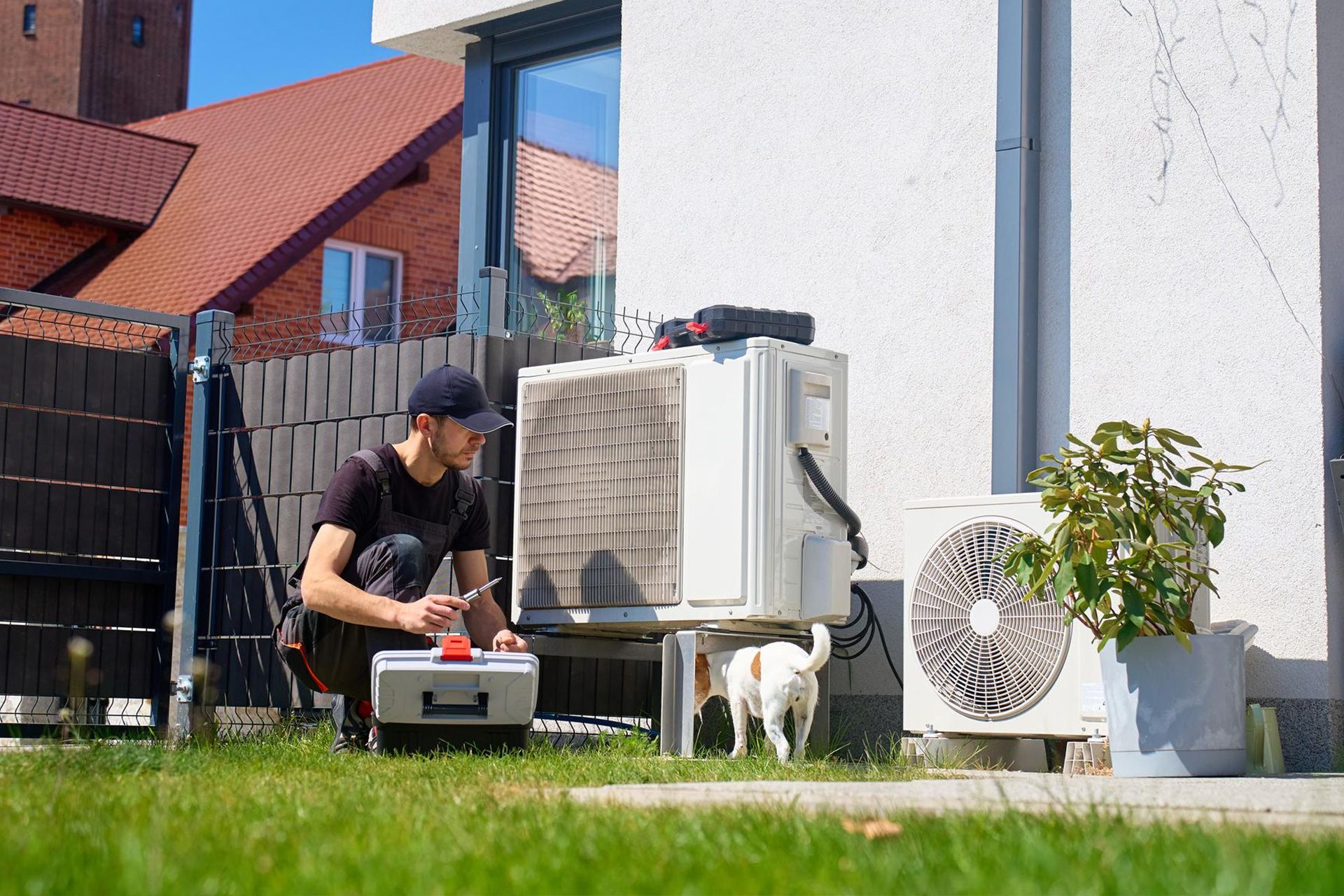
Split systems are the most common type of residential HVAC system in the United States. They include an indoor unit and an outdoor condenser connected through refrigerant lines.
The outdoor unit removes heat from your home, while the indoor unit circulates cooled or heated air through ductwork.
The benefits of split systems are:
- Reliable cooling and heating
- Efficient whole home comfort
- Compatible with existing ductwork
- Easy maintenance
- Wide range of equipment sizes
For many homeowners, split systems remain the top HVAC system because they provide dependable cooling during long, hot summers.
Heat Pump Systems
Heat pumps provide both heating and cooling using a single system. Instead of creating heat, they transfer heat between indoor and outdoor air.
Advantages of heat pumps are:
- Heating and cooling in one system
- Energy-efficient operation
- Quiet performance
- Consistent indoor comfort
Florida's mild winters make heat pumps the most popular HVAC system options for homes because they perform efficiently throughout most of the year.
Ductless Mini Split Systems
Ductless mini-split systems are ideal for homes without existing ductwork or for areas that need independent temperature control. Each indoor unit operates separately, allowing homeowners to create different comfort settings in different rooms.
It is ideally suited for room additions, garages, guest rooms, older homes, and home offices.
The benefits are:
- Flexible installation
- Zoned temperature control
- Improved efficiency
- Quiet operation
For certain homes, ductless systems may be the best HVAC option, where adding ductwork would be difficult.
Packaged HVAC Systems
Packaged systems combine heating and cooling components into one outdoor cabinet. These systems are commonly installed on rooftops, beside homes, and in smaller properties.
Here are the benefits.
- Space-saving design
- Easier equipment access
- Simplified installation
- Suitable for a limited indoor space
Packaged units are one of several HVAC system options for homes with limited indoor mechanical space.
Hybrid HVAC Systems
Hybrid systems combine a heat pump with another heating source to improve efficiency under changing weather conditions. The system automatically switches between heating methods depending on outdoor temperatures.
Here are the advantages.
- Improved energy efficiency
- Flexible operation
- Better temperature control
- Reduced equipment strain
Although Florida experiences mild winters, hybrid systems may still benefit some homeowners depending on their heating needs.
Geothermal HVAC Systems
Geothermal systems use underground temperatures to heat and cool a home. Because underground temperatures remain relatively stable, geothermal systems operate with excellent efficiency.
Advantages are:
- High energy efficiency
- Quiet operation
- Long equipment lifespan
- Consistent indoor comfort
However, installation requires specialized equipment and property conditions.
Factors To Consider Before Choosing A System
Every home has different heating and cooling requirements.
Before selecting an HVAC system, homeowners should evaluate:
Home Size
Larger homes require different system capacities than smaller homes.
Existing Ductwork
Homes with existing ducts may benefit from traditional split systems, while others may be better suited for ductless solutions.
Indoor Humidity
Humidity control is especially important in Florida's climate.
Energy Efficiency
Modern HVAC systems offer improved efficiency that can reduce long-term energy consumption.
Future Home Plans
Room additions or renovations may influence HVAC sizing and design.
These considerations help determine the best HVAC system for homes based on each property's unique needs.
Why Florida Homes Need Special HVAC Considerations
Florida's climate creates different HVAC demands than many other parts of the country.
Homeowners often need systems that can:
- Handle long cooling seasons
- Remove excess humidity
- Operate efficiently during high temperatures
- Maintain consistent indoor comfort
Because cooling is used far more frequently than heating, selecting the right HVAC options for homes is especially important.
Professional Installation Makes A Difference
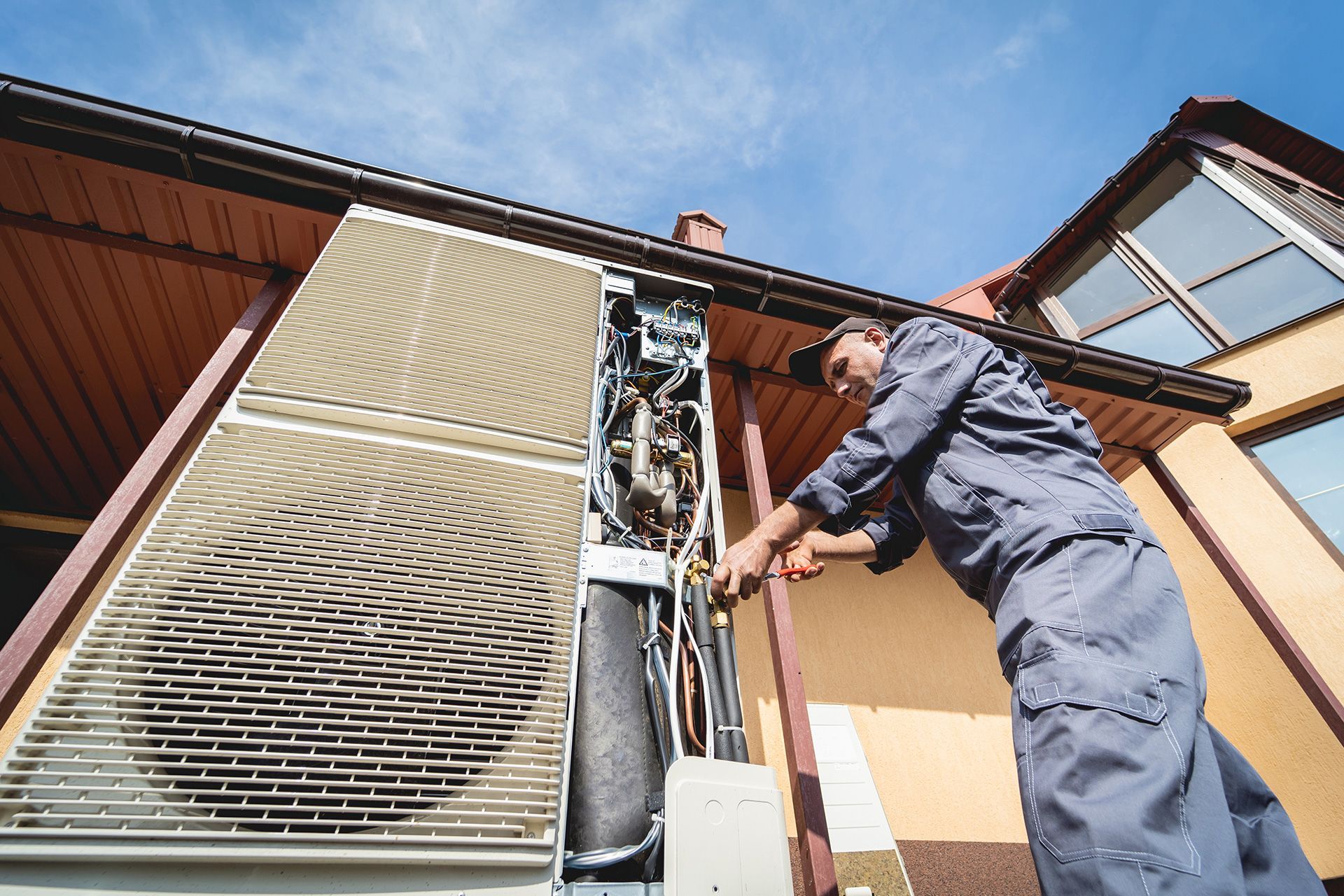
Even the highest quality HVAC equipment depends on proper installation. Professional installation helps ensure:
- Correct airflow
- Proper refrigerant levels
- Balanced duct performance
- Safe electrical connections
- Long-term reliability
Incorrect installation may reduce efficiency and shorten equipment lifespan.
Which HVAC System Is Right For Your Home?
There is no single solution that works for every homeowner. The best HVAC system for homes depends on:
- Home size
- Budget
- Existing infrastructure
- Energy goals
- Indoor comfort preferences
- Florida climate conditions
Working with an experienced HVAC professional ensures you receive recommendations based on your home's specific needs rather than general assumptions.
Conclusion
Understanding the different HVAC system options for homes helps homeowners make informed decisions about comfort, efficiency, and long-term performance. From traditional split systems to ductless units, heat pumps, packaged equipment, and geothermal solutions, each system offers unique advantages.
At Air Titans, we help homeowners choose the best HVAC system for their homes through professional evaluations, expert installation, and ongoing maintenance services. Our team takes the time to understand your home's unique needs and to recommend solutions that deliver reliable comfort year-round.
Schedule a consultation with our team to find the HVAC system that best fits your home and your family's comfort goals.
FAQs
What Is The Best HVAC System For Florida Homes?
Heat pumps and high-efficiency split systems are among the most popular choices because they provide reliable cooling and humidity control for Florida's climate.
What Are The Most Common HVAC System Options For Homes?
Common residential systems include split systems, heat pumps, ductless mini splits, packaged systems, hybrid systems, and geothermal systems.
Are Ductless Mini Split Systems Good For Older Homes?
Yes. They are an excellent option for homes without existing ductwork or for room additions that need independent temperature control.
Why Is Proper HVAC System Sizing Important?
Correct sizing improves efficiency, maintains indoor comfort, controls humidity, and helps extend equipment life.
How Often Should An HVAC System Be Professionally Maintained?
Most HVAC professionals recommend servicing residential systems at least twice a year to maintain reliable performance and efficiency.
Disclaimer: The information on this website and blog is for general informational purposes only and is not professional advice. We make no guarantees of accuracy or completeness. We disclaim all liability for errors, omissions, or reliance on this content. Always consult a qualified professional for specific guidance.
Recent Posts