AC Compressor Replacement: Replace the Compressor or the Whole System?
Hearing that your compressor has failed is one of the tougher calls in home cooling. The compressor sits inside the outdoor unit and pumps refrigerant through the whole system, so when it stops, cooling stops. AC compressor replacement is a major repair option, but it isn’t always the right one. Air Titans can help you understand the diagnosis and compare replacing the compressor with replacing the whole system. This guide covers the signs of compressor trouble, how a technician confirms it, what the job involves, and how to weigh your options.
Key Takeaways
- The compressor pumps refrigerant through the system, making it essential for cooling.
- A failed capacitor, contactor or wiring problem can look like a dead compressor, so a full diagnosis comes first.
- AC compressor replacement involves recovering refrigerant, installing the new compressor, checking for leaks, and pulling a vacuum before recharging.
- System age, warranty coverage, refrigerant type and the condition of other components all influence the decision.
- Regular maintenance helps protect the compressor by keeping coils clean and identifying refrigerant leaks.
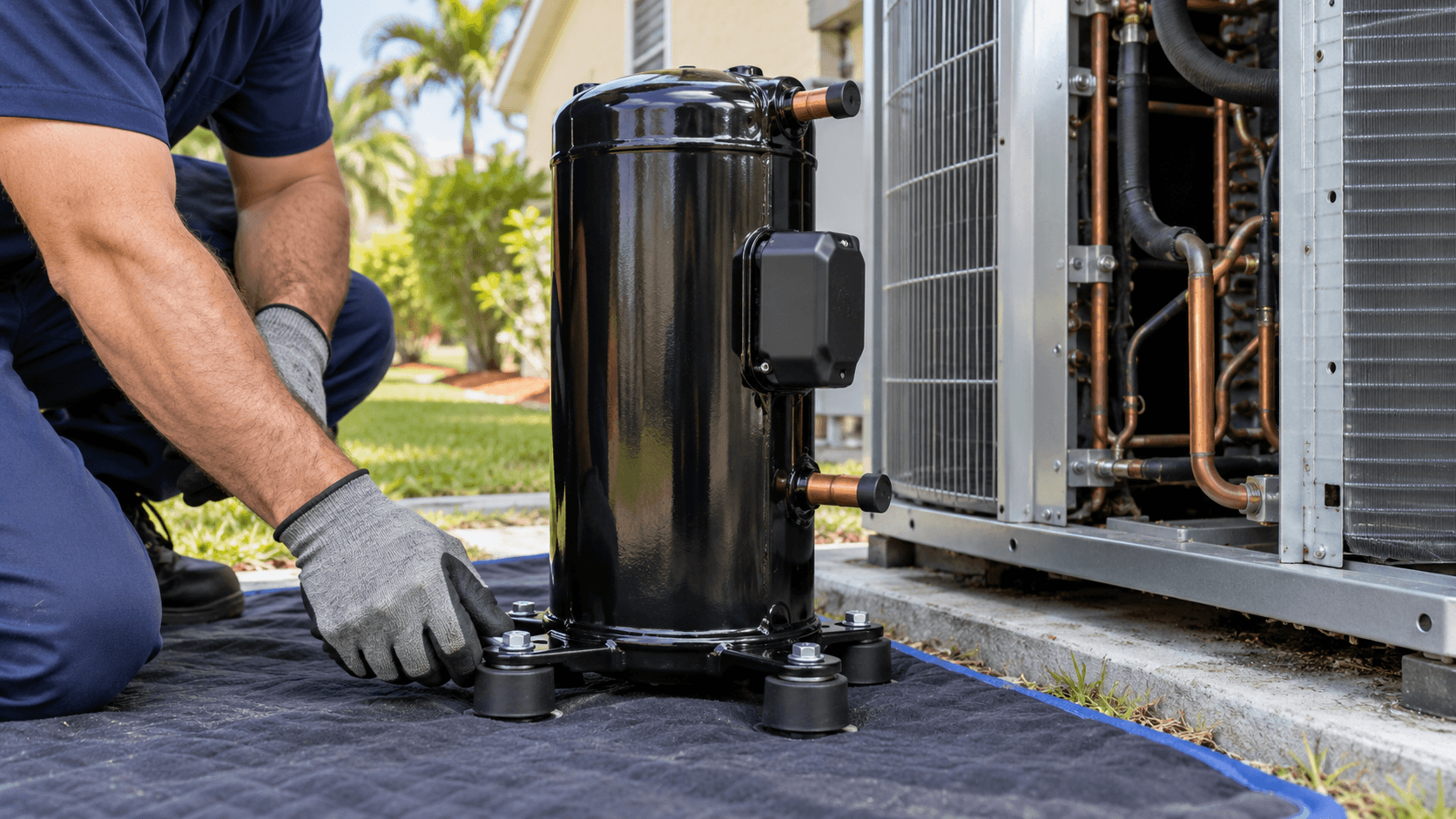
What Does an AC Compressor Do?
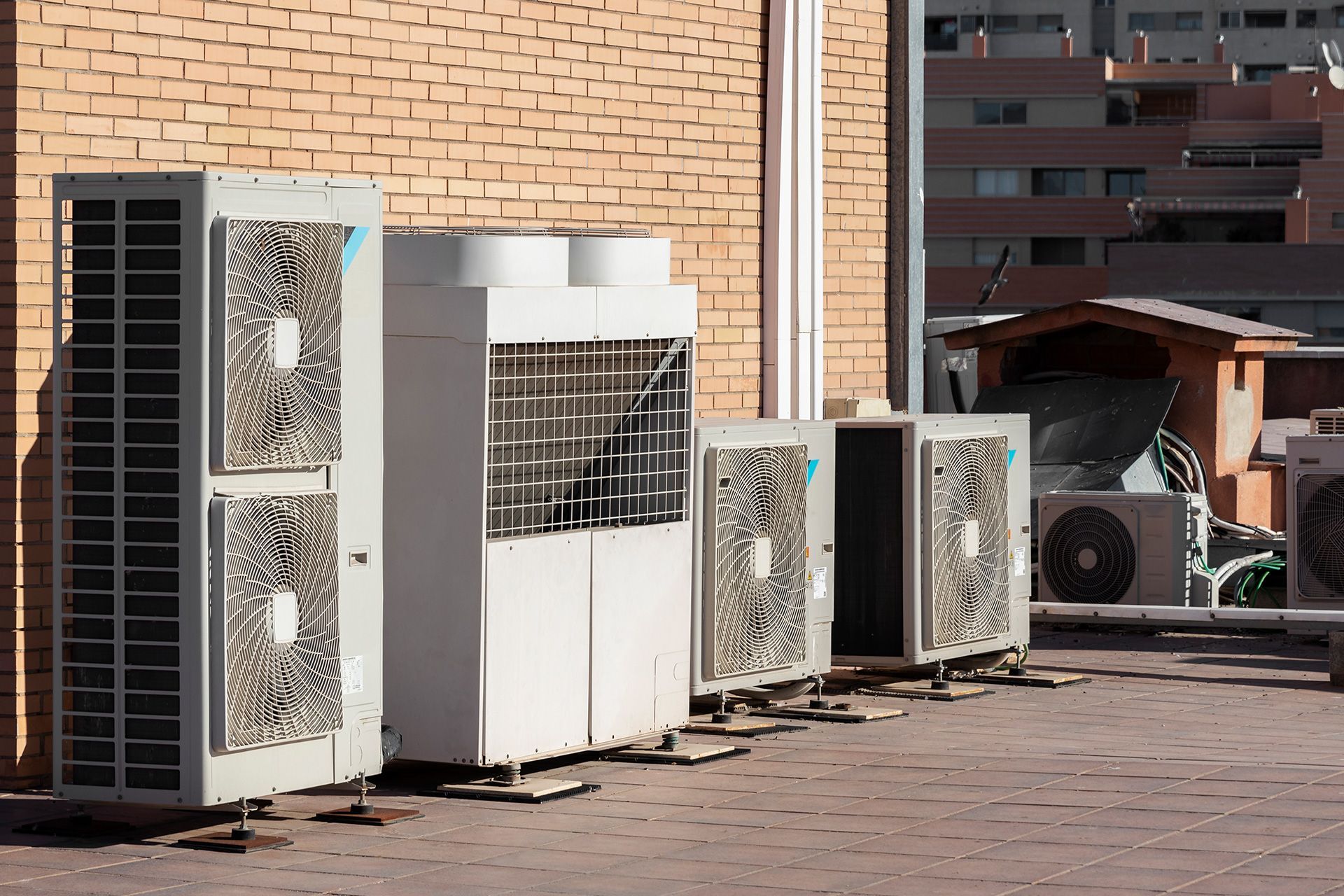
Think of the compressor as the pump in your cooling system. It squeezes refrigerant gas into a hot, high-pressure state and sends it to the outdoor coil, where the heat is released outside. The refrigerant then travels to the indoor coil, picks up heat from your home, and returns to the compressor to start again. Without it, the rest of the system has nothing to move.
What Are the Signs of AC Compressor Failure?
AC compressor failure doesn't always happen all at once. Watch for these signs:
- Warm air from the vents while the indoor fan runs normally.
- The outdoor fan spins, but the unit sounds quieter than usual or you don't hear the compressor kick on.
- A humming or buzzing sound from the outdoor unit, followed by nothing.
- The breaker for the outdoor unit trips again and again.
- Loud clanking, grinding or knocking from inside the outdoor unit.
- Cooling that gets weaker over several weeks while power bills climb.
Our post on
warning signs your HVAC system may fail soon covers other early clues to watch for.
Is It Really the Compressor?
Not always. A failed capacitor, contactor or wiring problem can look like a dead compressor, so a full diagnosis comes first. The capacitor gives the compressor a boost to start, and when it fails, the compressor can hum and refuse to run. A worn contactor may not send power at all. A thermostat or control problem can keep the outdoor unit from getting the signal to start.
To confirm a bad compressor, a technician will usually:
- Test the capacitor and contactor.
- Check the voltage and the wiring to the outdoor unit.
- Measure the compressor windings for shorts or open circuits.
- Check whether the compressor is shorted to ground.
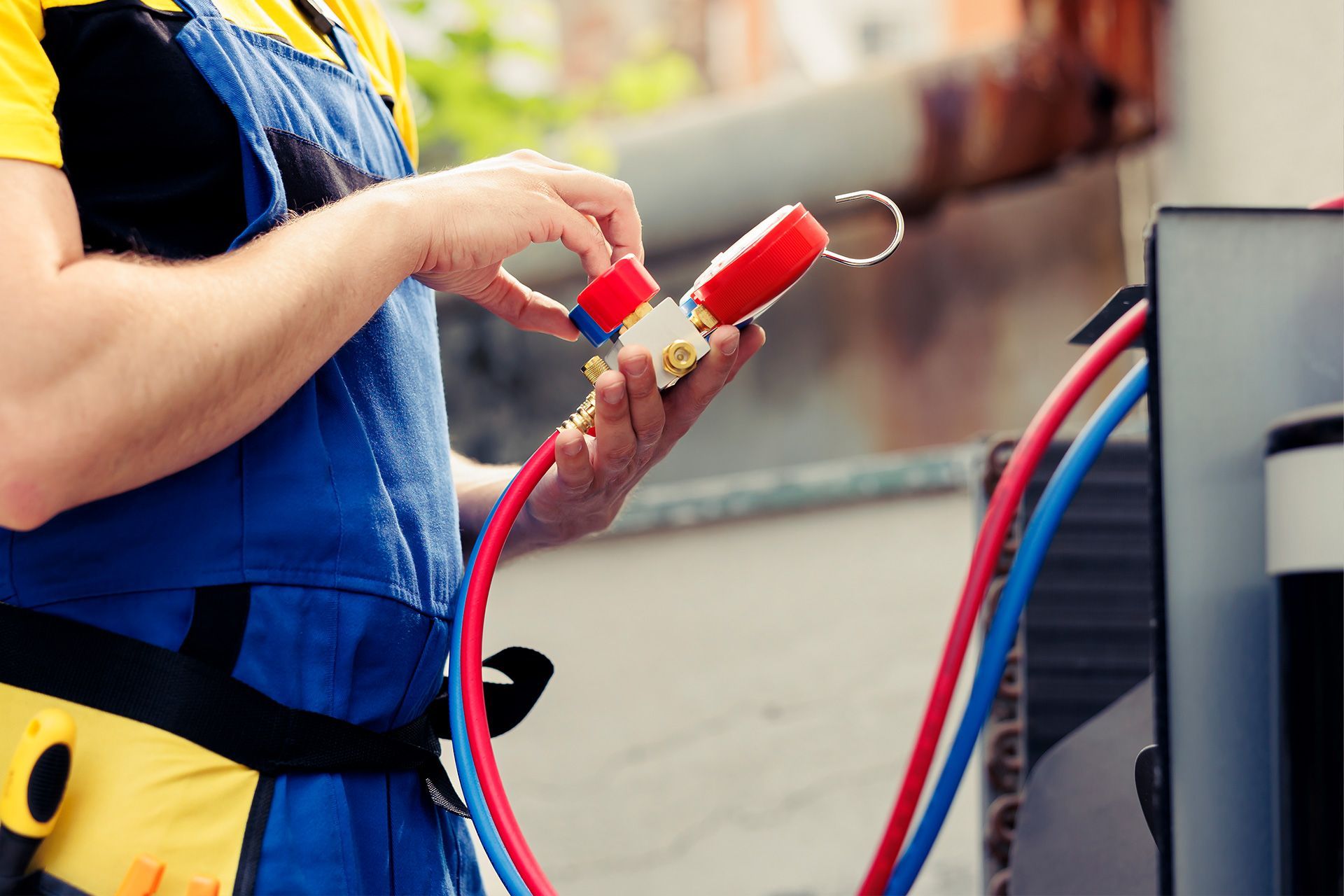
- Read refrigerant pressures and amp draw if the unit will run.
Our
AC repair service starts with these checks so you aren't paying for a compressor when a smaller part is the real problem.
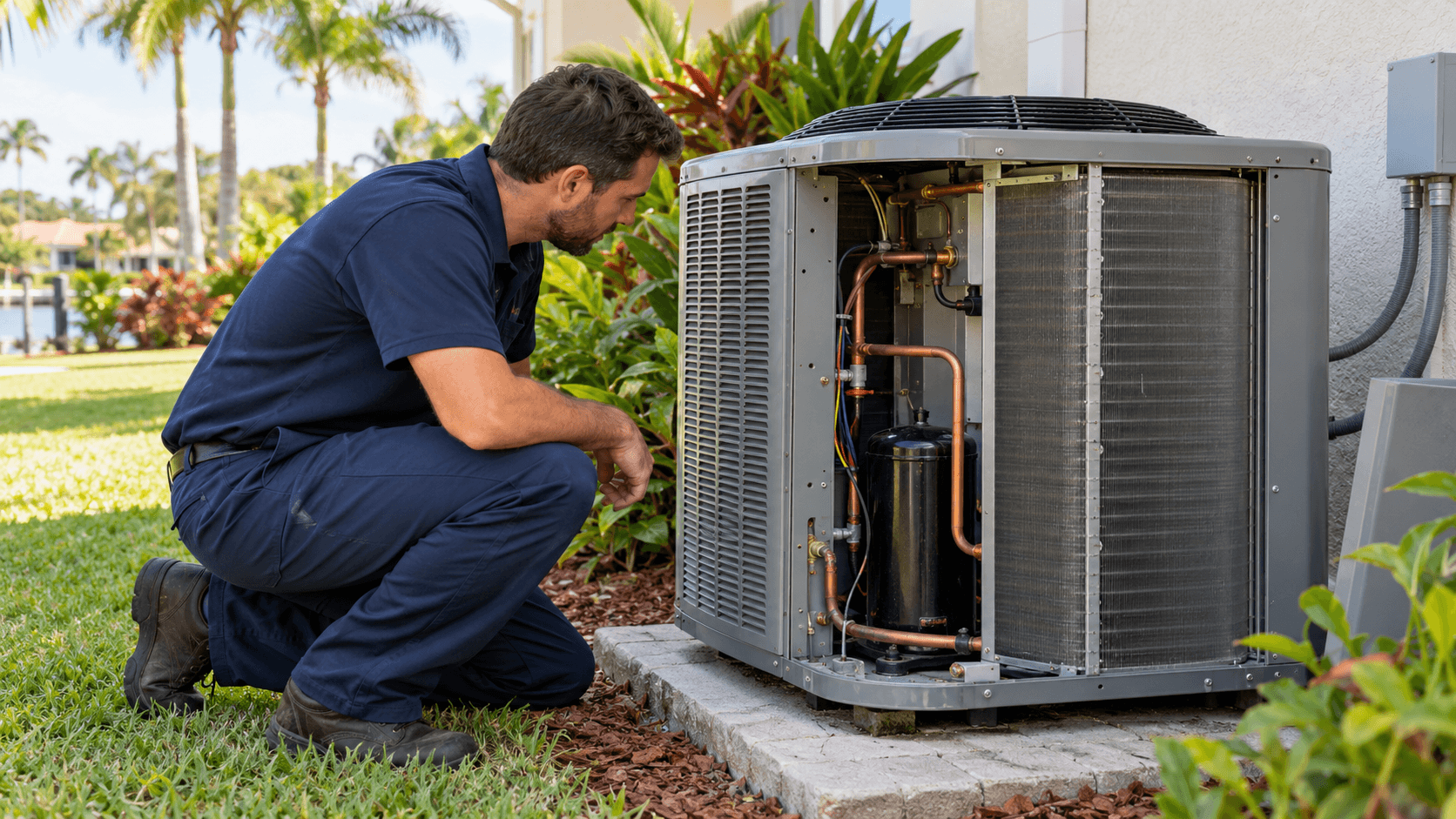
What Does AC Compressor Replacement Involve?
AC compressor replacement is a major repair that includes recovering refrigerant, brazing in the new part, and pulling a vacuum before recharging. Here's the usual order of work:
Recover the refrigerant from the system with certified equipment.- Disconnect and remove the old compressor.
- Braze the new compressor into the refrigerant lines.
- Replace the filter drier, and flush the system if the old compressor burned out.
- Pressure test the system for leaks.
- Pull a deep vacuum to remove air and moisture.
- Recharge with the correct amount of refrigerant.
- Start the system and test pressures, temperatures and amp draw.
Refrigerant handling requires
EPA Section 608 certification, so this isn't a do-it-yourself repair. It also takes time, and the part may need to be ordered.
Compressor or New System: How Do You Decide?
The age of the system, the warranty, the refrigerant type and the shape of the other parts all shape the decision. Here's a simple way to think about it.
Lean toward replacing the compressor:
- The system is fairly new
- The compressor is still under the manufacturer's parts warranty
- The coils, fan motors and air handler are in good shape
- It uses a current refrigerant
- The system has been sized and installed well
Lean toward a new system:
- The system is older and has needed other repairs
- The warranty has run out
- The coils are corroded or leaking
- It still runs on R-22
- The home has always had comfort or humidity problems
A compressor warranty may cover the part while labor is billed separately, so ask how that works for your unit. If the outdoor coil is corroded from salt air, or the indoor coil is leaking, a new compressor won't fix those problems. In that case, putting the money toward a matched new system often makes more sense.
Our guide on
when to replace your HVAC system vs repair it goes deeper on that choice. If a new system is the better path, our
AC installation team can size and install it.
Why Do AC Compressors Fail?
Compressors usually fail because of something else in the system. Common causes include:
Low refrigerant from a leak. The compressor runs hot and wears out faster.- Dirty outdoor coil. Heat can't escape well, so pressures and temperatures climb.
- Electrical problems. A weak capacitor or worn contactor makes every start harder.
- Power surges. Storms and outages can damage the motor windings.
- Age. Like any motor, a compressor eventually wears out.
Regular maintenance helps protect the compressor by keeping coils clean and refrigerant leaks from going unnoticed. Our
AC maintenance service includes coil cleaning, electrical checks and refrigerant level checks.
Get Your Compressor Checked by Air Titans
Air Titans is a locally owned HVAC company in Tampa, licensed (CAC1822845) and insured. We diagnose and repair AC systems in homes and businesses across Hillsborough and Pinellas counties. If you think your compressor has failed, call us at (813) 355-8352 or
request a visit through our contact page. We'll confirm what's wrong and explain your AC compressor replacement and system replacement options so you can choose.
Frequently Asked Questions
How do I know if my AC compressor is bad?
Common signs are warm air from the vents, a humming outdoor unit that won't start, a breaker that keeps tripping and loud grinding or clanking. A technician needs to test the compressor and its electrical parts to confirm it.
Can a bad capacitor make it seem like the compressor failed?
Yes. A failed capacitor can keep the compressor from starting, and it's a much smaller repair. That's why testing the capacitor is one of the first steps.
How long does AC compressor replacement take?
The work itself often takes most of a day, since it includes recovering refrigerant, brazing, a leak test, a vacuum and a recharge. Waiting on the part can add more time.
Is it worth replacing the compressor on an older AC?
It depends on the system's age, its condition and whether the compressor is under warranty. On an older system with other worn parts, a new system is often the better use of your money.
Is the compressor covered by warranty?
Many manufacturers cover the compressor for a set number of years if the system was registered. Labor is often a separate question, so check your paperwork or ask your technician.
Disclaimer: The information on this website and blog is for general informational purposes only and is not professional advice. We make no guarantees of accuracy or completeness. We disclaim all liability for errors, omissions, or reliance on this content. Always consult a qualified professional for specific guidance.
Recent Posts