Commercial HVAC Maintenance in Tampa Bay: What a Service Agreement Should Cover
When the AC fails in an office, a restaurant or a retail space, the cost isn't only the repair. It's the staff who can't work, the customers who leave, and the stock that has to be protected. That's why business owners and property managers in Tampa Bay plan commercial HVAC maintenance with Air Titans instead of waiting for a breakdown. The hard part is knowing what a good service agreement should actually include. This guide walks through it.
Key Takeaways
- A good agreement lists every unit it covers, the tasks done on each one, and how often they happen.
- Tampa's long cooling season, heavy humidity and summer storms make coil cleaning, drain care and electrical checks a priority.
- Each visit should end with a written report that includes readings, problems found and recommended repairs.
- Repair approvals, response terms and what's excluded should be in writing before you sign.
- Schedule visits around your business hours so maintenance doesn't disrupt customers or staff.

Why Does Commercial HVAC Maintenance Matter So Much in Tampa?
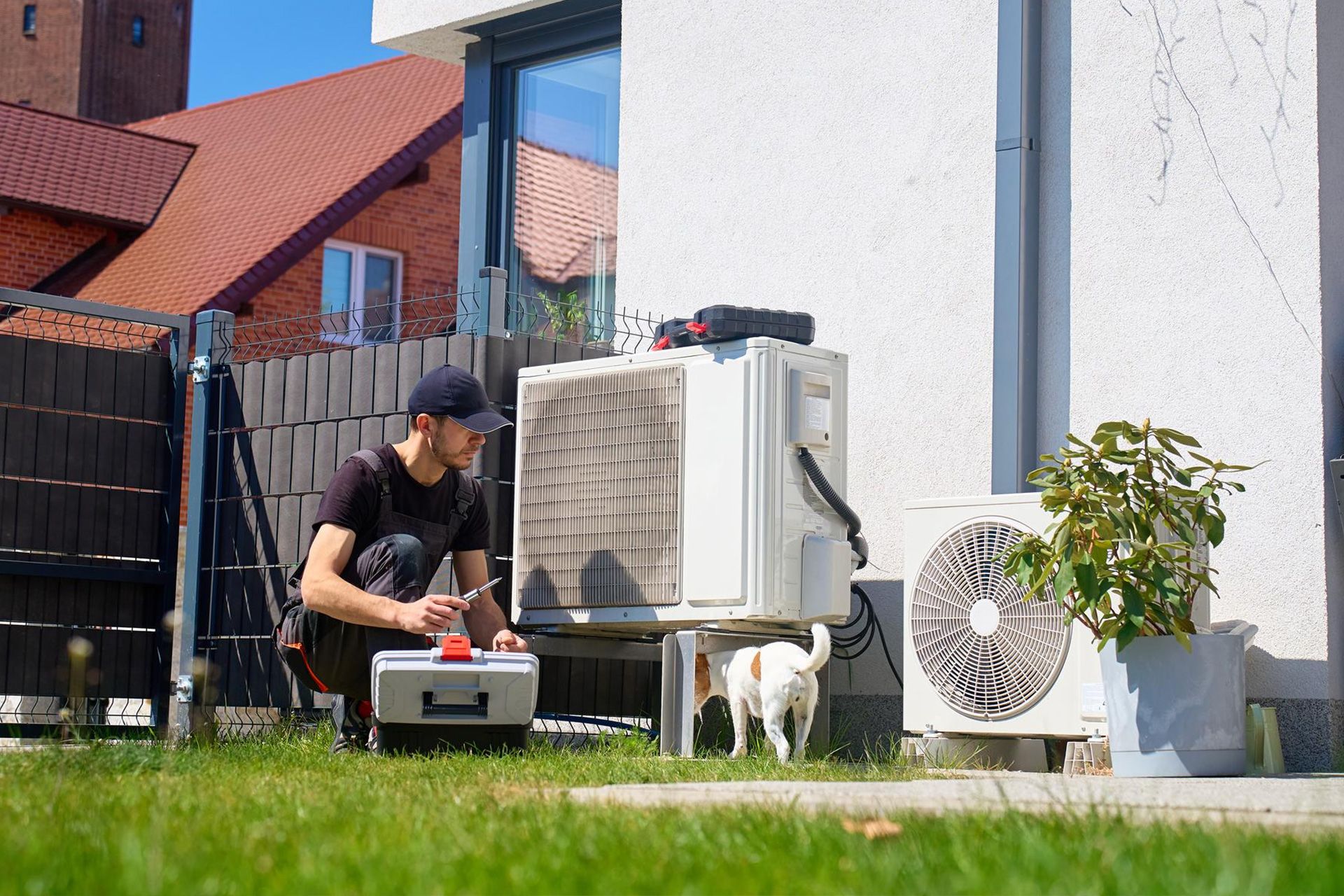
Commercial systems here run long hours for most of the year. A rooftop unit over a busy kitchen or a split system cooling a medical office can log far more run time than a home system. Tampa's long cooling season, heavy humidity and summer storms make coil cleaning, drain care and electrical checks a priority. Dirty coils make the compressor work harder. Clogged condensate lines can back up and leak into ceilings. Storms and power flickers wear down capacitors, contactors and control boards.
Planned commercial HVAC service gives a technician regular eyes on all of that. Small problems get fixed on a weekday morning instead of turning into an emergency call on a Saturday in August.
What Should a Commercial HVAC Service Agreement Include?
A good agreement lists every unit it covers, the tasks done on each one, and how often they happen. Vague wording like "inspect system" doesn't tell you much. Here's what to look for.
Agreement item:
- Equipment list
- Task list
- Visit schedule
- Filters
- Reports
- Repairs
- Response terms
- Exclusions
What to look for:
- Every covered unit, with its location, make, model and serial number
- Specific tasks for each type of equipment, not generic "inspect" language
- How many visits per year and which months
- Filter size, type and how often they're changed
- Written report after every visit with readings and findings
- How repairs are quoted and approved before work starts
- How service calls are handled and during which hours
- What isn't covered, such as major parts or full replacements
What Tasks Happen During a Commercial Maintenance Visit?
The task list depends on the equipment, but a solid preventive maintenance visit on a typical Tampa Bay commercial system covers:
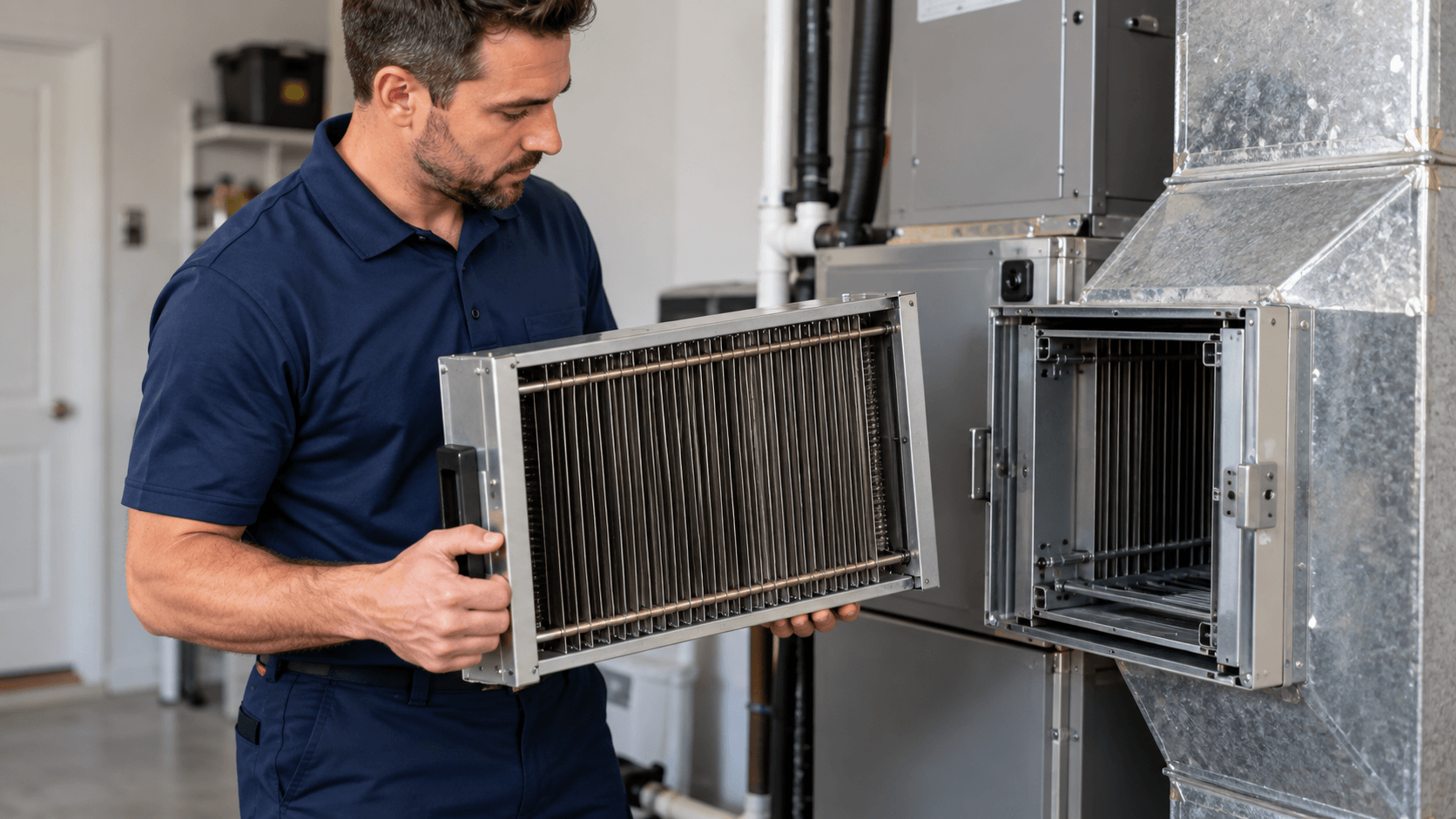
Replacing or cleaning air filters.- Inspecting and cleaning condenser and evaporator coils.
- Checking belts, pulleys and motor bearings, and lubricating where needed.
- Testing capacitors, contactors and electrical connections.
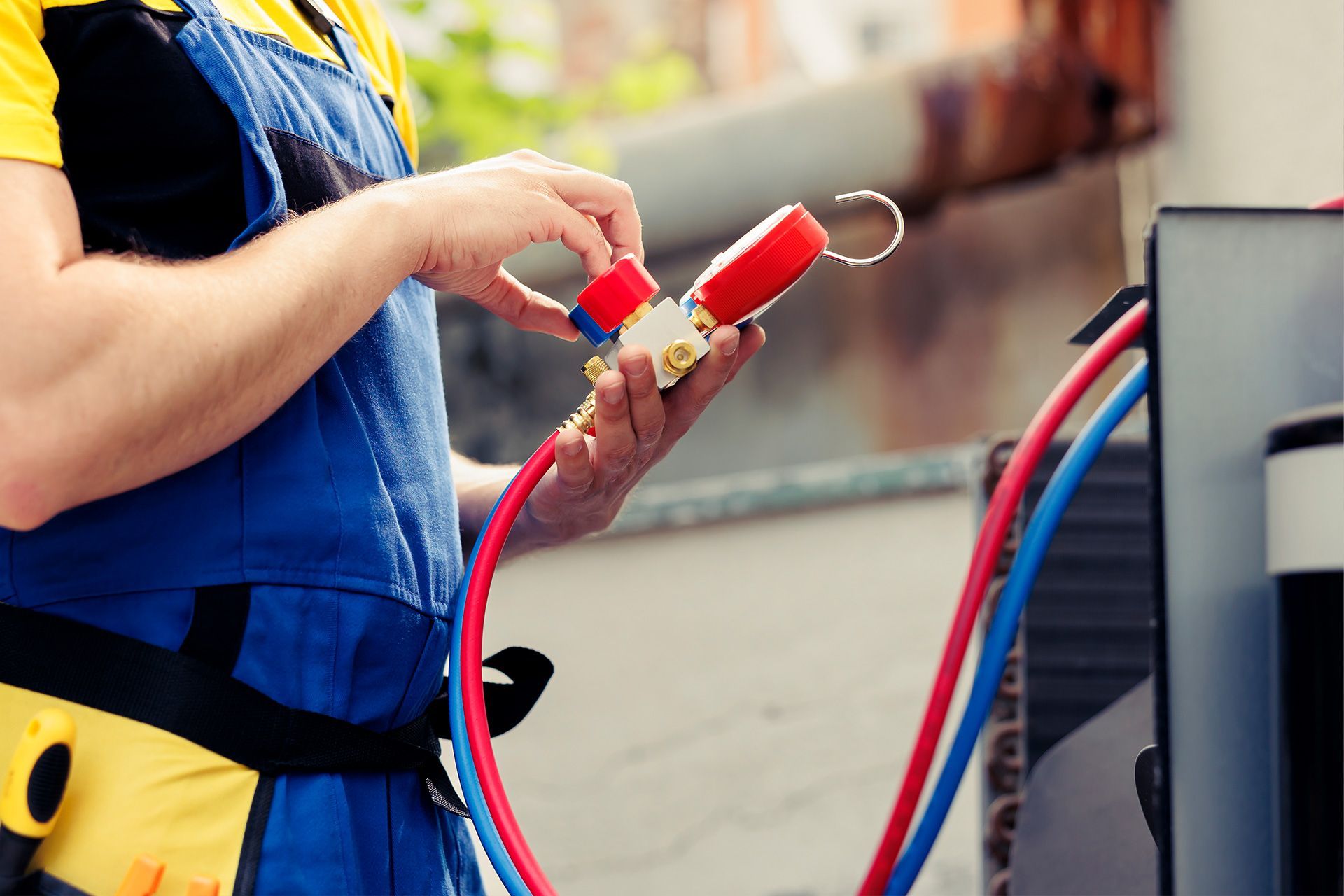
- Measuring refrigerant pressures and checking for leaks.
- Flushing and treating condensate drains and pans.
- Checking thermostats, sensors and controls.
- Inspecting dampers and economizers, if the unit has them.
- Looking over cabinets, panels and roof curbs for damage or water entry.
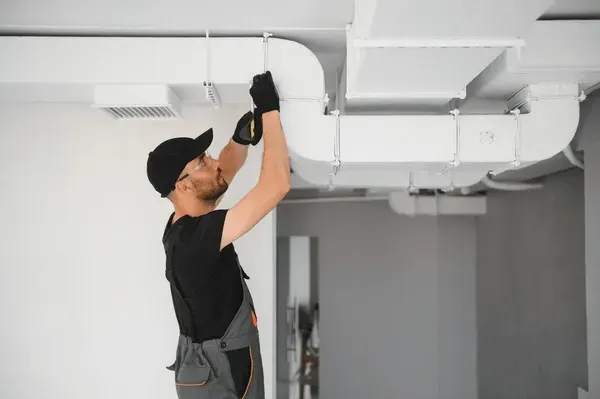
If the building's ducts haven't been looked at in a while, that's worth adding too. Dust and debris in the duct system affect airflow and can make the equipment work harder. Our
air duct cleaning service covers both homes and commercial spaces.

How Often Should a Business Schedule HVAC Maintenance?
There's no single answer, because it depends on run hours, the type of equipment and what the space is used for. Two to four visits a year is a common range for commercial systems. A restaurant kitchen, a gym or a building with heavy foot traffic may need filter changes and drain care more often than a small office. A good contractor will set the schedule around your equipment and how hard it works, instead of copying the same calendar for every client.
Timing matters too. Schedule visits around your business hours so maintenance doesn't disrupt customers or staff. Early mornings, evenings or slower days of the week often work best.
What Should You Get After Every Visit?
Each visit should end with a written report that includes readings, problems found and recommended repairs. Over time, those reports become a record of how each unit is holding up. They help you plan for repairs, budget for replacements, and spot a unit that keeps having the same problem.
A useful report includes:
- The date, the technician and the units serviced.
- The tasks completed on each unit.
- Readings such as refrigerant pressures, temperatures and amp draw.
- Problems found and anything fixed on the spot.
- Recommended repairs, listed by how urgent they are.
Which Terms Should You Read Closely?
Repair approvals, response terms and what's excluded should be in writing before you sign. Ask how a repair gets approved. Ask who you call when a unit goes down, and during which hours. Ask what happens if a part has to be ordered. And look closely at the exclusions, because major parts like compressors are often left out of maintenance coverage.
If you're still comparing companies, our guide on
how to choose the right commercial HVAC contractor in Tampa covers licensing, insurance and the questions to ask.
Signs Your Current Maintenance Plan Isn't Working
Even with a contract in place, some plans fall short. Watch for these signs:
- The same unit keeps breaking down between visits.
- You don't get written reports, or the reports have no readings.
- Filters look dirty well before the next scheduled change.
- Water stains show up on ceiling tiles near air handlers.
- Energy bills climb with no change in how the building is used.
- Staff complain about hot spots or humid rooms.
Any of these is a good reason to ask for a fresh look at the equipment and the schedule.
Set Up Commercial HVAC Maintenance With Air Titans
Air Titans provides AC maintenance and repair for commercial properties as well as homes, and we offer maintenance plans built around the equipment and how the space is used. We're a locally owned Tampa company, licensed (CAC1822845) and insured. Our HVAC maintenance service explains what our visits cover, and our HVAC repair team handles the fixes when something does fail.
To talk through commercial HVAC maintenance for your building, call (813) 355-8352 or
reach us through our contact page.
Frequently Asked Questions
Q: What is included in commercial HVAC maintenance?
A: A typical visit covers filters, coil cleaning, belts and motors, electrical parts, refrigerant pressures, condensate drains, controls and a check of the cabinet and roof curb. The exact list should be written into your agreement.
Q: How often should commercial HVAC systems be serviced?
A: Two to four visits a year is a common range. Spaces with long run hours or heavy use, like restaurants and gyms, may need more frequent filter changes and drain care.
Q: Does a maintenance agreement cover repairs?
A: It depends on the agreement. Many cover the scheduled maintenance only, with repairs quoted and approved separately. Read the repair and exclusion terms before you sign.
Q: Can maintenance be done outside business hours?
A: Ask your contractor. Scheduling visits for early mornings or slower days helps keep the work from disrupting customers and staff.
Q: Why does my commercial AC keep leaking water?
A: The most common cause is a clogged condensate drain or a dirty pan. In Tampa's humidity, drains build up algae and debris quickly, which is why drain care is part of commercial HVAC maintenance.
Disclaimer: The information on this website and blog is for general informational purposes only and is not professional advice. We make no guarantees of accuracy or completeness. We disclaim all liability for errors, omissions, or reliance on this content. Always consult a qualified professional for specific guidance.
Recent Posts