Why Is My AC Blowing Warm Air? Common Causes and What to Do
If you live in Tampa, FL, you know how brutal the heat and humidity can get, especially during peak summer months. The last thing you want is your air conditioner blowing warm air when you need it most. Unfortunately, this is a common issue homeowners face, and it can stem from anything as simple as a thermostat setting to more complex electrical issues that AC systems often experience.
In this guide, we’ll break down the most common causes, what you can do right away, and when to call for professional AC repair or schedule routine AC maintenance.
How Your AC Is Supposed to Work
Before diving into the problems, it helps to understand the basics. Your air conditioner removes heat from inside your home and transfers it outside using refrigerant and coils. If any part of that process is disrupted, your AC may blow warm air instead of cool.
Common Reasons Your AC Is Blowing Warm Air
1. Incorrect Thermostat Settings
This might sound obvious, but it’s one of the most frequent causes.
- Thermostat set to “HEAT” instead of “COOL.”
- Fan set to “ON” instead of “AUTO.”
- Temperature set too high
When the fan is always running, it may circulate air even when it’s not being cooled.
What to do:
Double-check your thermostat settings and replace batteries if needed.
2. Dirty or Clogged Air Filter
A clogged air filter restricts airflow, making it harder for your system to cool your home. In some cases, it can even cause the evaporator coil to freeze.
Signs:
- Weak airflow
- Dust buildup
- Higher energy bills
What to do:
Replace your air filter every 1–3 months, especially in Tampa’s dusty and humid climate.
3. Low Refrigerant or Refrigerant Leaks
Refrigerant is essential for cooling. If levels are low, your AC can’t remove heat effectively, causing warm air to blow through the vents.
Signs:
- Ice on refrigerant lines
- Hissing sounds
- AC is running constantly, but not cooling
What to do:
Call a professional for AC repair; refrigerant issues require licensed handling.
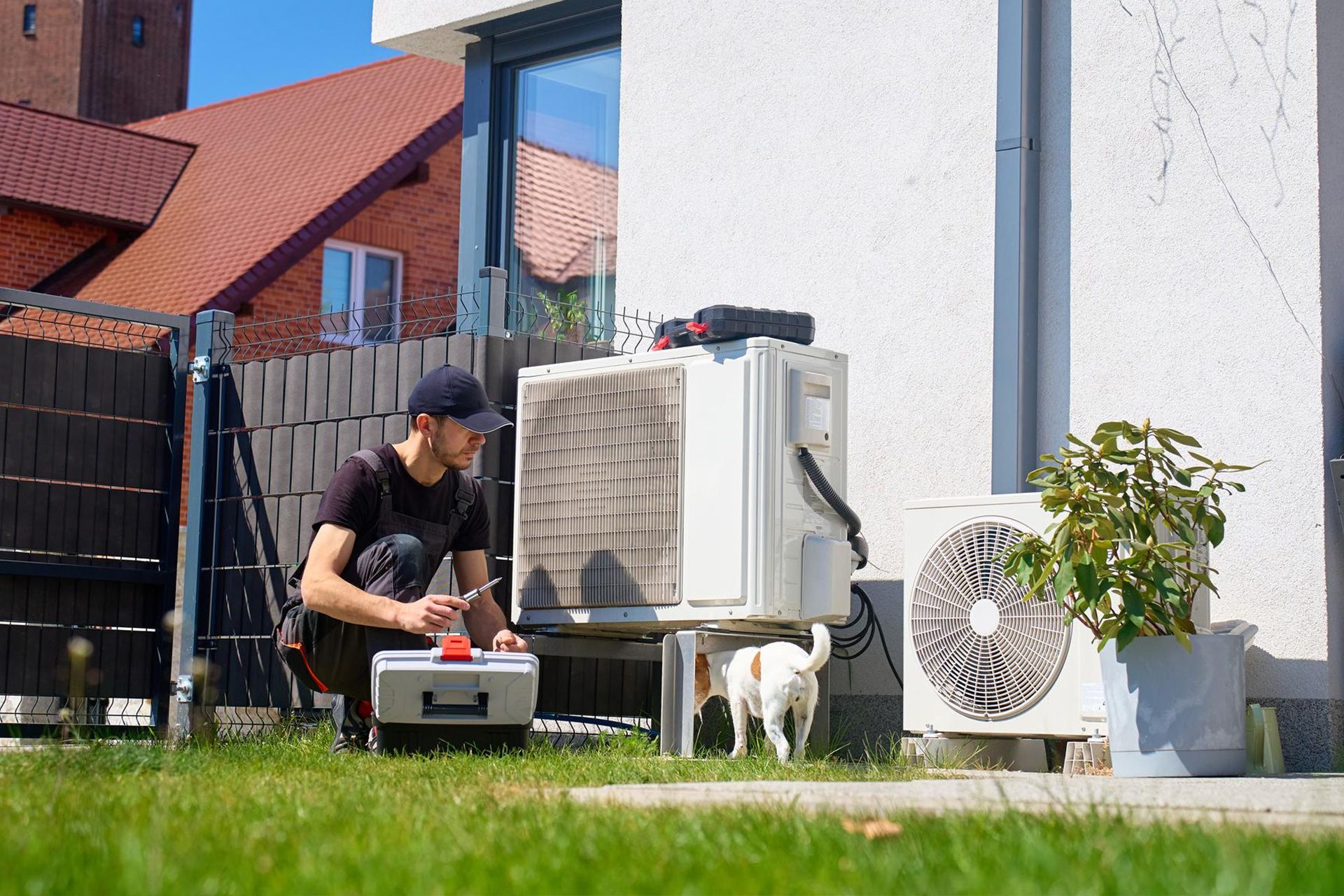
4. Dirty or Blocked Outdoor Unit
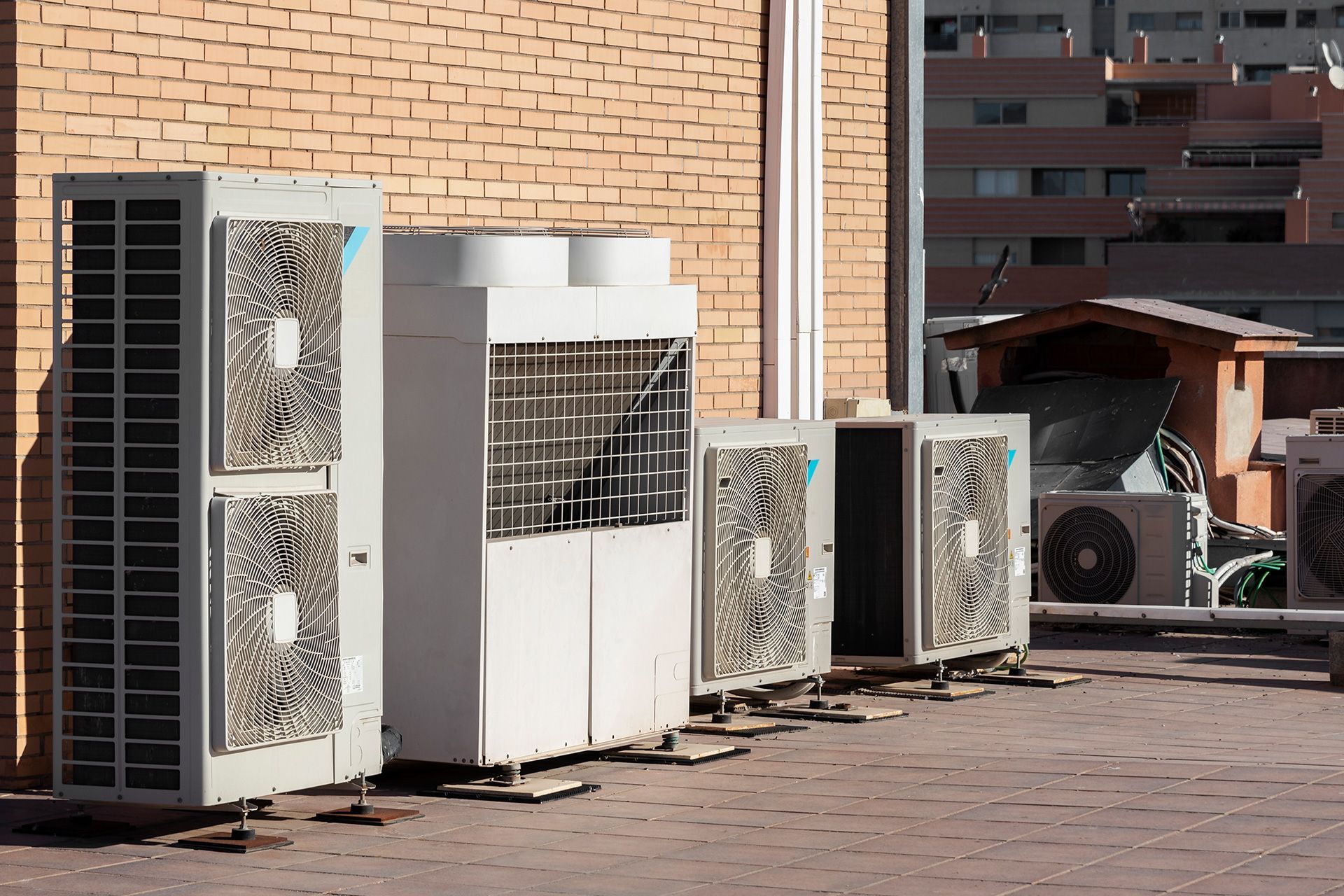
Your outdoor condenser unit releases heat from your home. If it’s blocked by dirt, leaves, or debris, it can’t do its job properly.
What to do:
- Clear debris around the unit
- Gently rinse with a hose
- Keep at least 2 feet of clearance
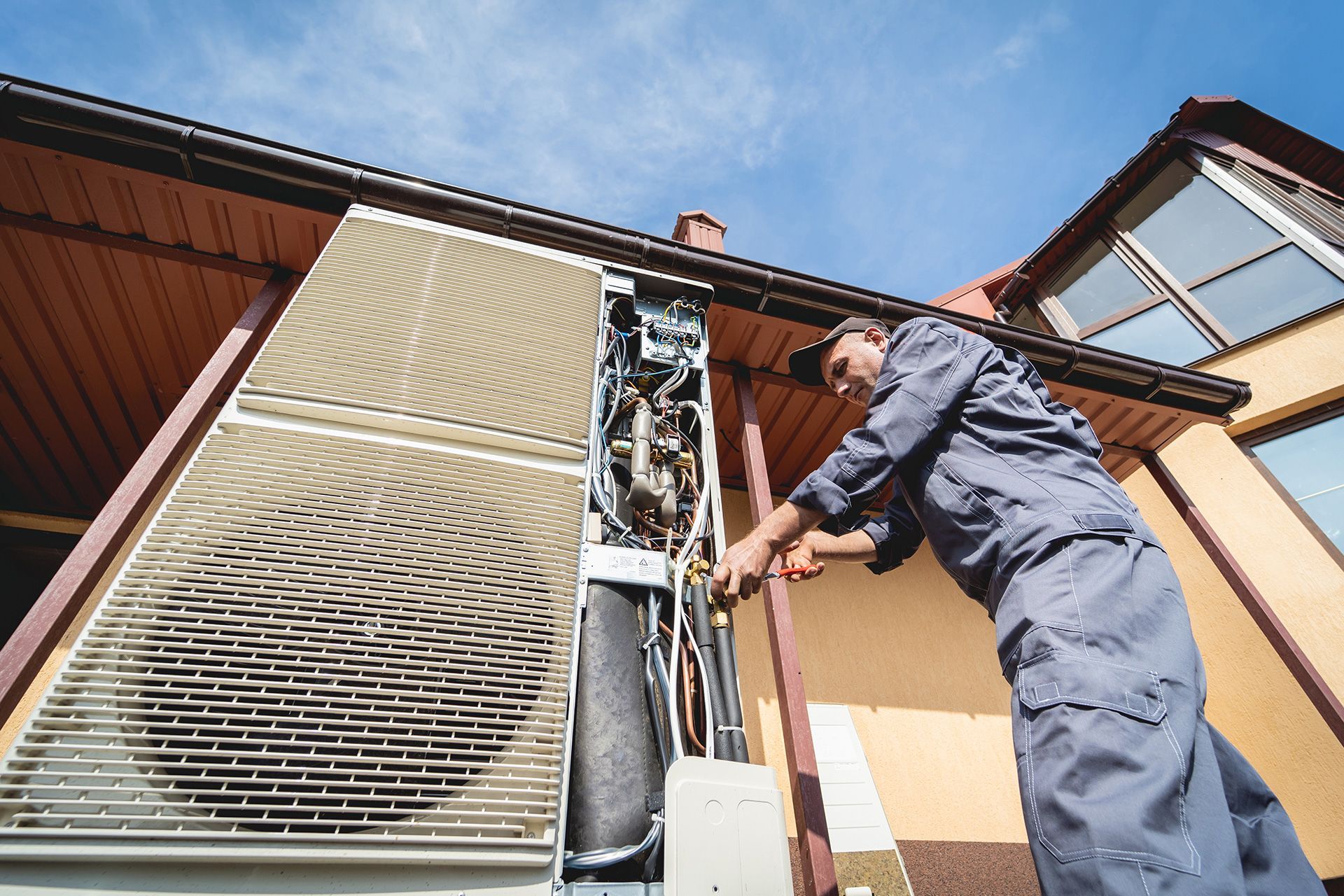
5. Electrical Issues in Your AC System
Electrical issues AC systems face are more common than many homeowners realize.
This includes:
- Tripped circuit breakers
- Faulty capacitors
- Damaged wiring
- Failed contactors
If the outdoor unit loses power, your system may still blow air, but it won’t be cool.
What to do:
- Check your breaker panel
- Reset tripped breakers once
- If the issue repeats, call a professional immediately
6. Frozen Evaporator Coils
When airflow is restricted or refrigerant is low, coils can freeze, stopping the cooling process entirely.
Signs:
- Ice buildup on the indoor unit
- Water leaks when ice melts
- Warm air from vents
What to do:
- Turn off the AC
- Let the coils thaw
- Schedule AC maintenance to prevent recurrence
7. Compressor Problems
The compressor is the heart of your AC system. If it fails, your system won’t be able to circulate refrigerant properly.
What to do:
This requires professional diagnosis and repair or replacement.
8. Clogged Drain Line
A clogged condensate drain line can trigger a safety switch that shuts down your cooling system.
What to do:
- Check for standing water near the unit
- Clear minor clogs if accessible
- Call for service if the issue persists
What You Can Check Before Calling for AC Repair
Before scheduling a service call, try these quick troubleshooting steps:
- Check thermostat settings
- Replace or clean the air filter
- Inspect circuit breakers
- Clear debris around the outdoor unit
- Ensure vents are open and unblocked
Many minor issues can be resolved quickly with these steps.
When to Call a Professional
If your AC is still blowing warm air after basic troubleshooting, it’s time to call an expert, especially in Tampa, where AC systems work overtime.
Call for professional AC repair if you notice:
- Refrigerant leaks
- Repeated electrical issues in AC systems shouldn’t have
- Frozen coils that keep returning
- Loud or unusual noises
- Complete loss of cooling
Delaying repairs can lead to bigger, more expensive problems.
The Importance of Regular AC Maintenance
The best way to avoid warm air issues is through routine AC maintenance.
Benefits include:
- Improved efficiency
- Lower energy bills
- Longer system lifespan
- Fewer breakdowns
- Better indoor air quality
Experts recommend scheduling maintenance at least once a year, ideally before Tampa’s hot season begins.
Why This Matters in Tampa, FL
Tampa’s heat and humidity put extra strain on your AC system. Small issues can escalate quickly, especially during peak summer.
Regular maintenance and prompt AC repair ensure:
- Consistent cooling
- Reduced humidity indoors
- Comfortable living conditions year-round
Final Thoughts
If your AC is blowing warm air, don’t ignore it. What starts as a minor issue can quickly turn into a costly repair, especially in Tampa’s demanding climate. Understanding the causes and acting quickly can save you time, money, and discomfort.
Stay cool year-round,
schedule
your expert AC repair or maintenance with
Air Titans today!
FAQs
Why is my AC blowing warm air but the fan is running?
This usually means the cooling component isn’t working, often due to refrigerant issues, compressor failure, or electrical problems.
Can I fix my AC blowing warm air myself?
You can handle simple fixes like thermostat settings or filter replacement. For refrigerant or electrical issues AC systems face, always call a professional.
How often should I schedule AC maintenance?
At least once a year, but twice annually is ideal in hot climates like Tampa.
Is low refrigerant dangerous?
Yes, it can damage your system and reduce efficiency. It also indicates a leak that needs professional repair.
How much does AC repair typically cost?
Costs vary depending on the issue, but early diagnosis usually prevents expensive repairs.
Disclaimer: The information on this website and blog is for general informational purposes only and is not professional advice. We make no guarantees of accuracy or completeness. We disclaim all liability for errors, omissions, or reliance on this content. Always consult a qualified professional for specific guidance.
Recent Posts