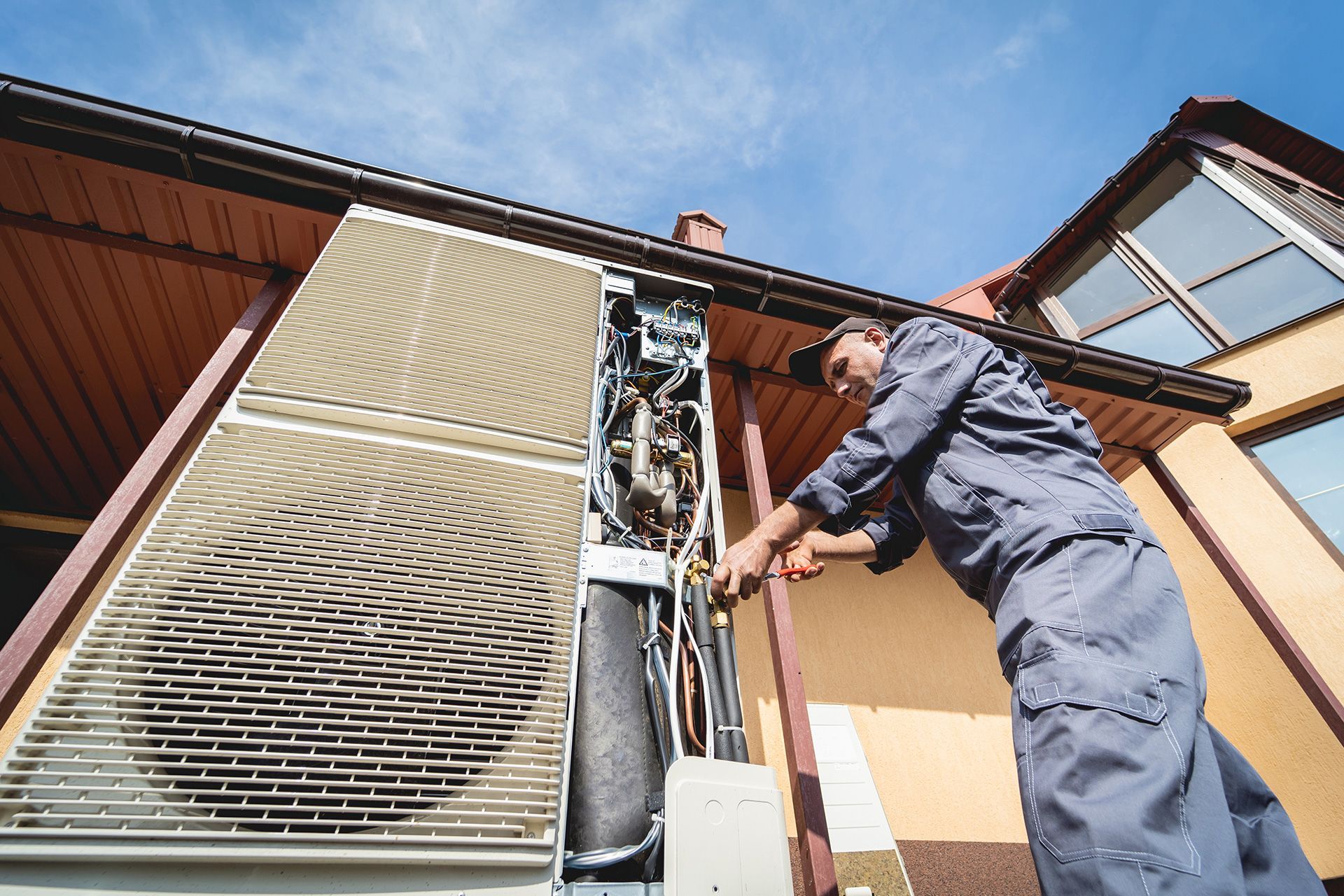
Common HVAC Problems and How To Fix Them
Heating and cooling systems work hard every day to keep your home comfortable. But like any machine, they can run into problems over time. The good news? Many common HVAC issues are easy to spot, and some can even be fixed without calling a professional right away.
In this guide, we’ll walk you through the most common HVAC problems, what causes them, and how to fix them. Whether you’re dealing with weak airflow, strange noises, or a system that won’t turn on, this article will help you understand your options and when to call for expert HVAC services.
Why HVAC Problems Happen
Your HVAC system includes many parts, filters, coils, fans, thermostats, and electrical components. Over time, dust, wear and tear, and lack of maintenance can cause these parts to fail.
Common causes include:
- Dirty filters or coils
- Lack of regular maintenance
- Electrical issues
- Old or worn-out parts
- Incorrect thermostat settings
Understanding the root cause is the first step toward the right HVAC repair.
1. Dirty or Clogged Air Filters
What Happens:
Air filters trap dust, dirt, and allergens. Over time, they get clogged. This blocks airflow and makes your system work harder.
Signs:
- Weak airflow
- Higher energy bills
- Dust buildup in your home
- System running longer than usual
How To Fix It:
Replace your air filter every 1–3 months. This is one of the easiest and most effective HVAC solutions.
Why It Matters:
Clean filters improve air quality, boost efficiency, and prevent bigger problems.
2. Thermostat Issues
What Happens:
If your thermostat isn’t working properly, your HVAC system won’t know when to turn on or off.
Signs:
- System won’t start
- Incorrect temperature readings
- Frequent cycling
How To Fix It:
- Check the batteries
- Make sure it’s set to the correct mode (cool/heat)
- Recalibrate or upgrade to a smart thermostat
Pro Tip:
A faulty thermostat is often mistaken for a major system failure. Always check this first before calling for HVAC repair.
3. Refrigerant Leaks
What Happens:
Refrigerant helps your system cool the air. If there’s a leak, your AC won’t cool properly.
Signs:
- Warm air from vents
- Ice on refrigerant lines
- Hissing sounds
- Longer cooling cycles
How To Fix It:
This is not a DIY fix. You’ll need professional HVAC services to locate the leak and recharge the system.
Why It Matters:
Low refrigerant reduces efficiency and can damage your compressor if ignored.
4. Frozen Evaporator Coils
What Happens:
Evaporator coils absorb heat. If airflow is blocked or refrigerant is low, they can freeze.
Signs:
- Ice buildup on the unit
- Reduced airflow
- AC not cooling
How To Fix It:
- Turn off the system to let the coils thaw
- Replace dirty filters
- Check for blocked vents
If the problem continues, call for HVAC repair.
5. Dirty Condenser Coils
What Happens:
Outdoor condenser coils release heat. Dirt and debris can block this process.
Signs:
- AC not cooling properly
- System overheating
- Higher energy use
How To Fix It:
- Turn off the power
- Gently clean the coils with water
- Remove debris around the unit
Pro Tip:
Keep at least 2 feet of clear space around your outdoor unit.
6. Electrical Problems
What Happens:
Your HVAC system relies on electrical connections. Wires can wear out or come loose.
Signs:
- System won’t turn on
- Frequent shutdowns
- Burning smell
How To Fix It:
Basic steps include checking your circuit breaker. For anything beyond that, call a professional.
Safety Note:
Electrical issues can be dangerous. Never attempt complex repairs yourself.
7. Blower Motor Problems
What Happens:
The blower motor pushes air through your home. If it fails, airflow stops.
Signs:
- Weak or no airflow
- Strange noises
- System running but no air coming out
How To Fix It:
- Check for debris in vents
- Replace worn belts
- Call for HVAC services if the motor needs replacement
8. Leaky Ductwork
What Happens:
Ducts carry air throughout your home. Leaks can waste energy and reduce comfort.
Signs:
- Uneven temperatures
- High energy bills
- Dusty rooms
How To Fix It:
Seal visible leaks with duct tape or mastic sealant. For major issues, professional HVAC solutions are recommended.
9. Strange Noises
What Happens:
Unusual sounds often signal internal problems.
Common Noises:
- Banging – loose or broken parts
- Squealing – worn belts
- Clicking – electrical issues
How To Fix It:
Turn off your system and inspect for visible issues. If the noise continues, schedule HVAC repair.
10. System Short Cycling
What Happens:
Short cycling means your system turns on and off too often.
Signs:
- Inconsistent temperatures
- Higher energy bills
- Increased wear on parts
How To Fix It:
- Check thermostat settings
- Replace dirty filters
- Ensure proper system size
Persistent issues require professional HVAC services.
Preventing HVAC Problems
The best way to avoid costly repairs is through regular maintenance.
Simple Maintenance Tips:
- Change air filters regularly
- Clean vents and ducts
- Schedule annual inspections
- Keep outdoor units clean
- Monitor energy bills for sudden changes
Why Maintenance Matters:
Routine care extends system life, improves efficiency, and reduces the need for emergency HVAC repair.
When To Call a Professional
Some problems need expert attention. Call for HVAC services if you notice:
- No cooling or heating at all
- Refrigerant leaks
- Electrical issues
- Frequent breakdowns
- Unusual smells or sounds
Professional technicians have the tools and training to handle complex HVAC solutions safely and effectively.
Benefits of Timely HVAC Repair
Fixing problems early can save you time, money, and stress.
Key Benefits:
- Better indoor comfort
- Lower energy bills
- Longer system lifespan
- Improved air quality
- Fewer emergency repairs
Ignoring small issues often leads to bigger and more expensive problems.
Conclusion
Your HVAC system plays a key role in your home’s comfort and safety. While many issues are common, they don’t have to be overwhelming. By understanding the signs and knowing when to act, you can keep your system running smoothly year-round.
Simple steps like changing filters and checking your thermostat can solve many problems. For more serious issues, professional HVAC repair ensures the job is done right.
If you stay proactive and schedule regular maintenance, you’ll enjoy reliable performance and fewer surprises.
Need reliable HVAC services? Contact Air Titans today for expert HVAC solutions you can trust.
FAQs
What is the most common HVAC problem?
The most common issue is a dirty air filter. It restricts airflow and reduces system efficiency. Regular replacement is a simple but highly effective maintenance step.
How often should I service my HVAC system?
You should schedule professional HVAC services at least once a year. Ideally, twice, before summer and winter seasons.
Why is my AC running but not cooling?
This could be due to low refrigerant, dirty coils, or a clogged filter. A proper HVAC repair inspection can identify the exact cause.
Can I fix HVAC problems myself?
You can handle basic tasks like replacing filters or cleaning vents. However, complex issues like electrical faults or refrigerant leaks require expert HVAC solutions.
How do I know if my HVAC system needs replacement?
Frequent repairs, high energy bills, and uneven temperatures are signs it may be time for a new system.
What causes HVAC systems to freeze up?
Frozen coils are often caused by restricted airflow or low refrigerant levels. Both need prompt attention.
How can I improve my HVAC efficiency?
Regular maintenance, clean filters, and proper thermostat settings can greatly improve efficiency and reduce the need for HVAC repair.
Disclaimer: The information on this website and blog is for general informational purposes only and is not professional advice. We make no guarantees of accuracy or completeness. We disclaim all liability for errors, omissions, or reliance on this content. Always consult a qualified professional for specific guidance.
Recent Posts