What Does an HVAC Tune-Up Actually Include? A Complete Breakdown
If you live in Florida, especially in areas like Osceola County, Orange County, Hillsborough County, or Pinellas County, your HVAC system isn’t just a convenience, it’s a necessity. With long, hot summers and high humidity, your air conditioning system works overtime nearly year-round. That’s why regular HVAC tune-ups are essential to keep your system running efficiently, safely, and reliably.
But what exactly happens during an HVAC tune-up? Is it just a quick filter change, or something more comprehensive?
Let’s break it down step by step so you know exactly what to expect when you schedule a professional HVAC tune-up with a trusted provider like Airtitans.
What Is an HVAC Tune-Up?
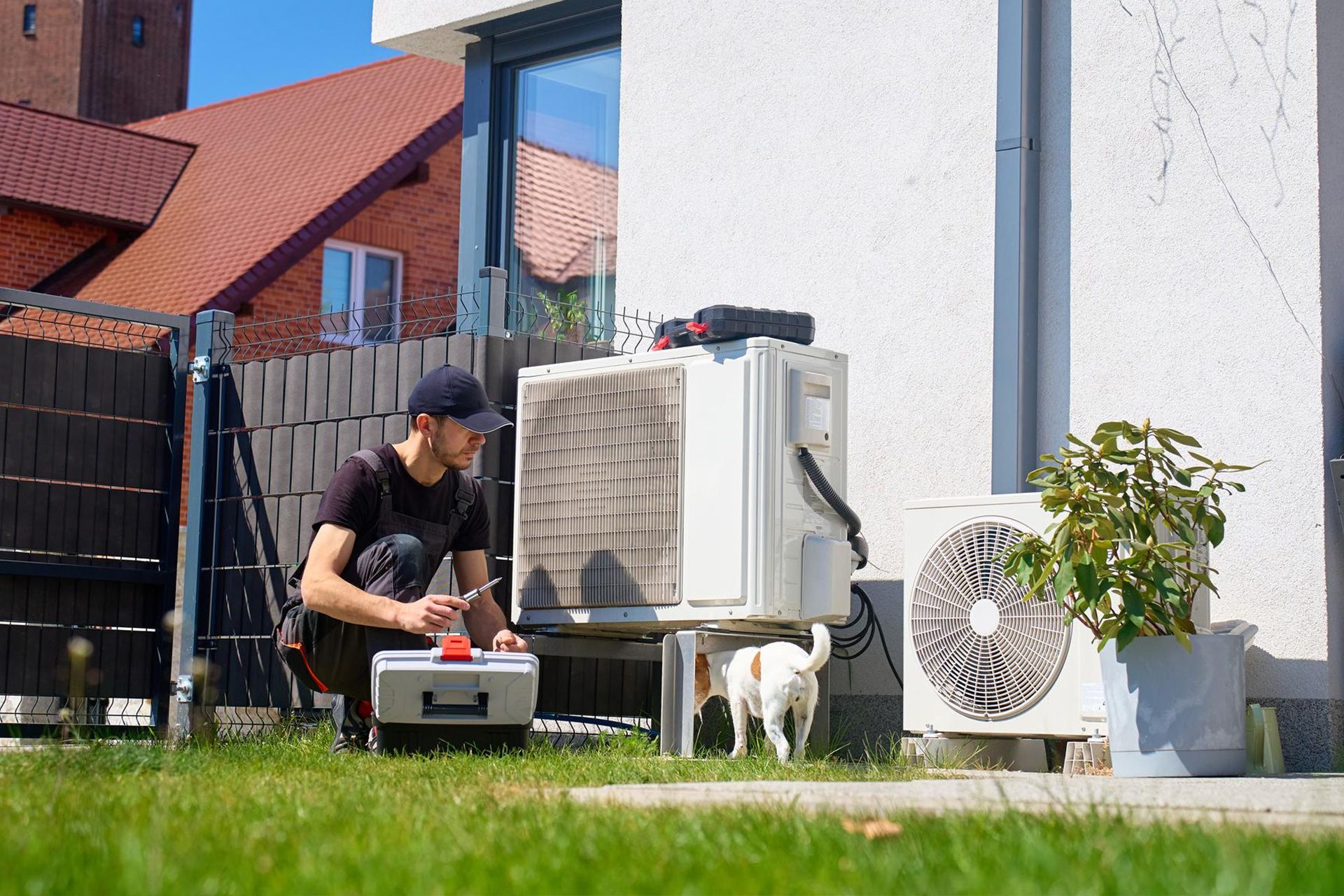
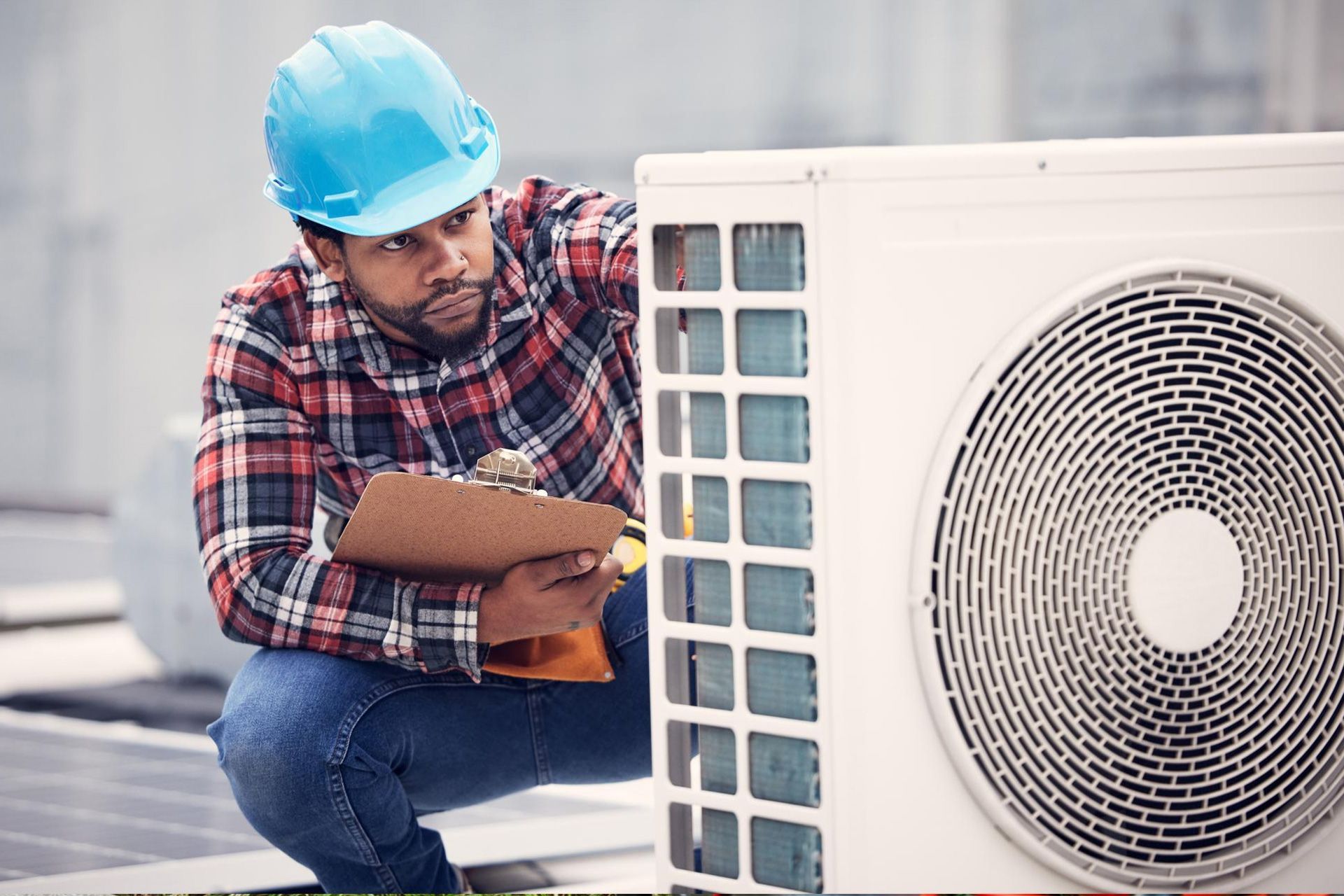
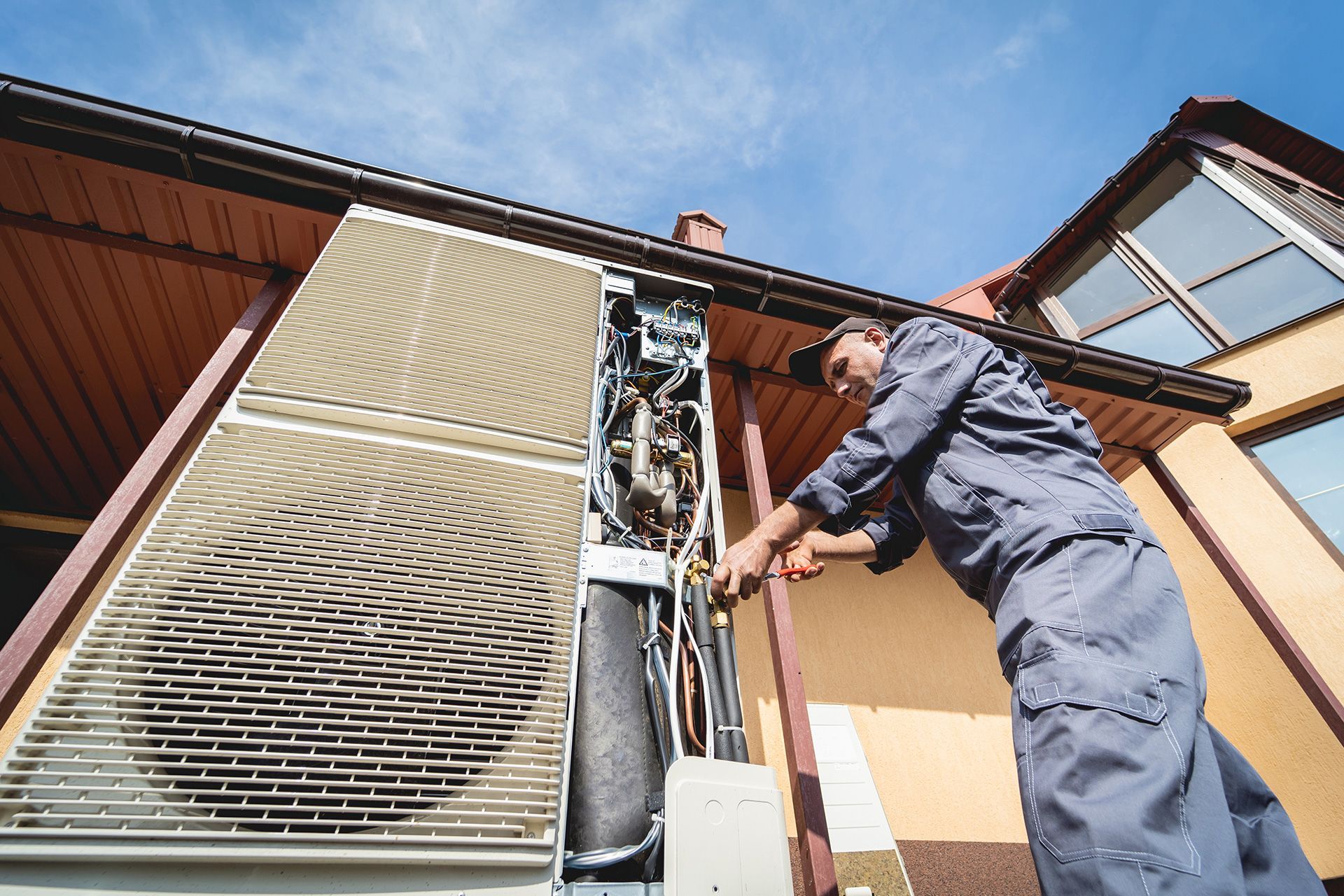
An HVAC tune-up is a preventive maintenance service performed by a licensed technician to inspect, clean, test, and optimize your heating and cooling system.
Think of it like a routine oil change for your car. Instead of waiting for your system to break down in the middle of a Florida heatwave, a tune-up helps catch small issues early, before they turn into expensive repairs.
A proper tune-up typically takes 1–2 hours and covers all major system components, ensuring everything is working as it should.
Why HVAC Tune-Ups Matter in Florida
Florida’s climate puts extra stress on HVAC systems. Between constant cooling demands and high humidity levels, your system is more prone to wear and tear.
Here’s why regular tune-ups are especially important in Central and West Florida:
- Improved energy efficiency (lower utility bills)
- Better indoor air quality
- Reduced risk of breakdowns
- Longer system lifespan
- Consistent cooling during extreme heat
Routine maintenance also helps identify issues like refrigerant leaks, airflow problems, or electrical faults before they escalate.
What Does an HVAC Tune-Up Include? (Complete Checklist)
A professional HVAC tune-up isn’t just one task; it’s a comprehensive checklist covering inspection, cleaning, testing, and adjustments.
1. Thermostat Inspection & Calibration
Your thermostat is the brain of your HVAC system.
During a tune-up, technicians will:
- Check thermostat accuracy
- Calibrate temperature readings
- Test system response
Even a small temperature misreading can cause your system to run longer than necessary, increasing energy costs.
2. Air Filter Inspection & Replacement
Air filters play a huge role in airflow and indoor air quality.
Technicians will:
- Inspect filter condition
- Replace or recommend replacement if dirty
Dirty filters restrict airflow, forcing your system to work harder and reducing efficiency while increasing wear.
3. Cleaning Evaporator & Condenser Coils
Your system’s coils are responsible for heat transfer.
A tune-up includes:
- Cleaning evaporator coils (indoor unit)
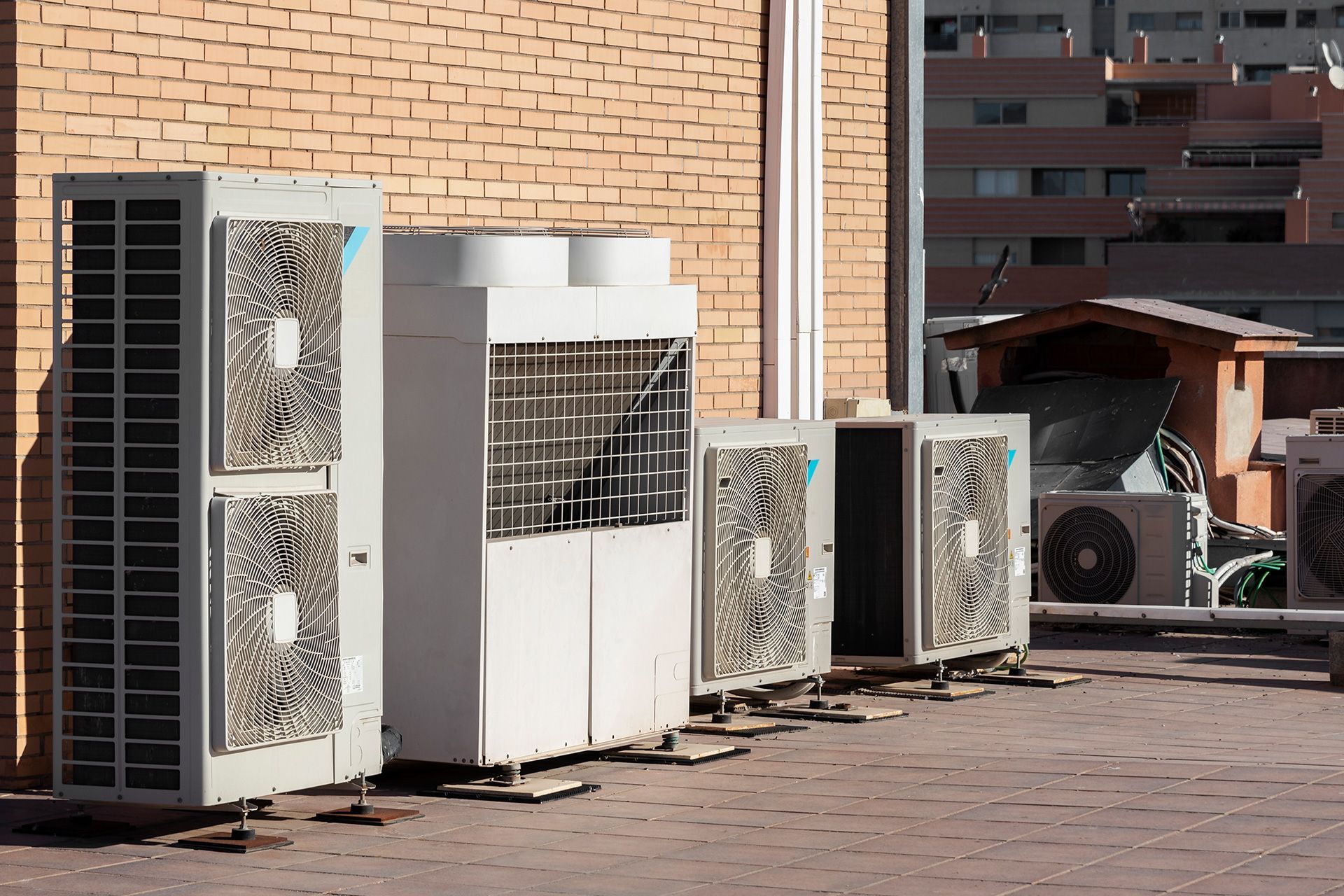
- Cleaning condenser coils (outdoor unit)
Dirty coils reduce cooling efficiency, leading to higher energy bills and system strain.
4. Refrigerant Level Check
Refrigerant is what cools your air.
Technicians will:
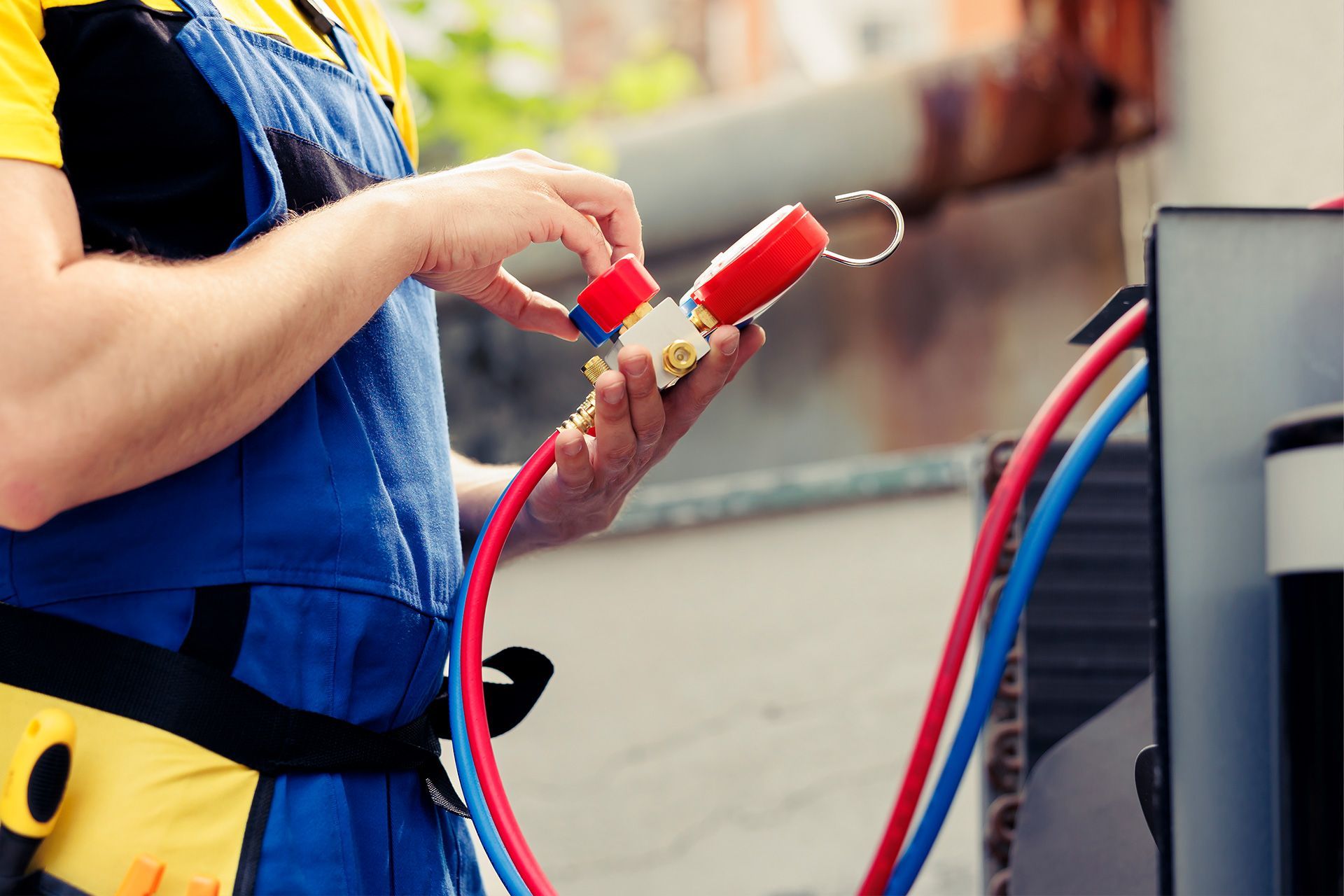
- Measure refrigerant levels
- Check for leaks
- Adjust levels if necessary
Low refrigerant can reduce cooling performance and damage your compressor over time.
5. Electrical System Inspection
HVAC systems rely heavily on electrical components.
A tune-up includes:
- Tightening electrical connections
- Inspecting wiring
- Testing capacitors and contactors
Loose or faulty electrical connections can lead to system failure or even safety hazards.
6. Lubrication of Moving Parts
Your HVAC system has several moving components, including motors and fans.
Technicians will:
- Lubricate bearings and motors
- Reduce friction and wear
Proper lubrication helps extend the lifespan of your system and prevents overheating.
7. Condensate Drain Line Cleaning
In Florida’s humid climate, your HVAC system removes a lot of moisture.
During a tune-up:
- Drain lines are cleaned and cleared
- Blockages are removed
Clogged drain lines can cause water leaks, mold growth, and system shutdowns.
8. Airflow & Ductwork Inspection
Proper airflow is essential for comfort and efficiency.
Technicians will:
- Measure airflow
- Inspect ductwork for leaks or blockages
Poor airflow can lead to uneven cooling and higher energy consumption.
9. Blower Motor & Fan Inspection
The blower motor distributes air throughout your home.
A tune-up includes:
- Inspecting blower components
- Cleaning fan blades
- Testing performance
A faulty blower can significantly impact system efficiency.
10. Safety Controls & System Testing
Safety is a critical part of any HVAC tune-up.
Technicians will:
- Test system controls
- Inspect safety switches
- Ensure proper startup and shutdown cycles
They’ll also run the system to confirm it’s operating correctly under real conditions.
11. Heating System Check (If Applicable)
Even in Florida, heating systems need occasional maintenance.
For systems with heating components, technicians will:
- Inspect heat exchangers
- Clean burners
- Test ignition systems
This ensures your system is ready for cooler winter nights.
What Happens After the Tune-Up?
Once the inspection and HVAC maintenance are complete, your technician will:
- Review findings with you
- Recommend any necessary repairs
- Provide tips for ongoing maintenance
This transparency helps you make informed decisions about your HVAC system.
How Often Should You Schedule an HVAC Tune-Up?
Most experts recommend scheduling a tune-up:
- Twice a year (spring & fall)
- At a minimum, once annually
Regular maintenance ensures your system is ready before peak cooling or heating seasons.
For Florida homeowners, a spring tune-up is especially critical before the intense summer heat kicks in.
Signs You Need a Tune-Up ASAP
If you notice any of the following, don’t wait:
- Weak airflow
- Strange noises or odors
- Inconsistent temperatures
- High energy bills
- Frequent system cycling
These are early warning signs that your system needs attention.
HVAC Tune-Up vs. Repair: What’s the Difference?
- Tune-Up: Preventive maintenance to keep your system running efficiently
- Repair: Fixing a specific problem after something breaks
A tune-up helps you avoid costly repairs by catching issues early.
Final Thoughts
An HVAC tune-up is far more than a quick inspection; it’s a detailed, multi-step process designed to keep your system running at peak performance. From cleaning coils and checking refrigerant to testing electrical components and airflow, every step plays a crucial role in ensuring comfort, efficiency, and reliability.
For homeowners in Osceola County, Orange County, Hillsborough County, and Pinellas County, regular tune-ups aren’t optional; they’re essential for surviving Florida’s demanding climate.
Schedule your professional HVAC tune-up with Airtitans today and keep your home cool, efficient, and worry-free all year long.
FAQs
How long does an HVAC tune-up take?
Most tune-ups take between 1 to 2 hours, depending on the system’s size and condition.
How much does an HVAC tune-up cost in Florida?
HVAC tune-up costs can vary depending on the service provider, system type, and level of service required.
Is an HVAC tune-up really necessary every year?
Yes. Annual (or bi-annual) tune-ups help prevent breakdowns, improve efficiency, and extend system lifespan.
Can I perform an HVAC tune-up myself?
You can handle basic tasks like changing filters, but a professional tune-up is necessary for thorough inspection and safety checks.
What’s the best time to schedule a tune-up in Florida?
Spring is ideal for AC systems, while fall is best for heating systems.
Disclaimer: The information on this website and blog is for general informational purposes only and is not professional advice. We make no guarantees of accuracy or completeness. We disclaim all liability for errors, omissions, or reliance on this content. Always consult a qualified professional for specific guidance.
Recent Posts